Organizing Document
Generation of Participation in Democracy
This page contains founding documents for the formation of a California Public Benefit corporation and Internal Revenue Service tax exemption under section 501(c)(3): the Generation of Participation in Democracy.
We are a California Public Benefit corporation in good standing. Our application for 501(c)(3) tax exemption has been submitted for review by the IRS.
To apply for the 501(c)(3) exemption there must be a board with a president, secretary, and treasurer. For now, Matthew A. Turner, PhD is the sole board member filling all three roles. This is temporary.
Dr. Turner will serve as President of the GPD for the foreseeable future. Dr. Turner is currently interviewing candidates to fill the roles of Secretary and Treasurer.
The documents below establish sole directorship, bylaws, and a conflict of interest policy.
Sole Director Written Consent
UNANIMOUS WRITTEN CONSENT OF THE SOLE DIRECTOR OF GENERATION OF PARTICIPATION IN DEMOCRACY
The undersigned, being the sole director of Generation of Participation in Democracy, a California nonprofit public benefit corporation, hereby adopts the following resolutions by unanimous written consent pursuant to applicable California law.
1. Adoption of Bylaws
RESOLVED, that the bylaws presented to the director are hereby adopted as the bylaws of the corporation (see the Bylaws section below).
2. Appointment of Officers
RESOLVED, that the following officers are appointed to serve until resignation, removal, or successor appointment:
President: Matthew A. Turner, PhD Secretary: Matthew A. Turner, PhD Treasurer: Matthew A. Turner, PhD
3. Conflict of Interest Policy
RESOLVED, that the Conflict of Interest Policy presented to the director is hereby adopted (see below).
6. Ratification
RESOLVED, that all actions previously taken on behalf of the corporation consistent with these resolutions are ratified and approved.
DATED: 11 May 2026
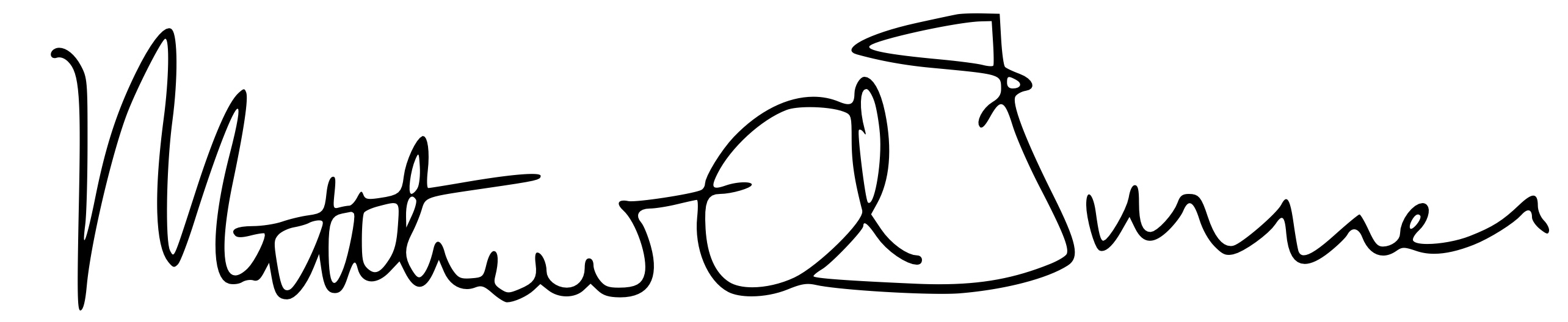
Matthew A. Turner, PhD
President & Sole Director
Bylaws
BYLAWS OF GENERATION OF PARTICIPATION IN DEMOCRACY
ARTICLE I — NAME
The name of this corporation is Generation of Participation in Democracy.
ARTICLE II — PURPOSE
This corporation is organized exclusively for charitable, educational, scientific, and related exempt purposes within the meaning of Section 501(c)(3) of the Internal Revenue Code.
ARTICLE III — OFFICES
The principal office of the corporation shall be located in California or such other location as determined by the Board of Directors.
ARTICLE IV — DIRECTORS
Section 1. Powers
The affairs of the corporation shall be managed by its Board of Directors.
Section 2. Number
The authorized number of directors shall be not less than one (1) nor more than seven (7), with the exact number fixed by resolution of the Board.
Section 3. Terms
Directors shall serve until resignation, removal, or successor appointment.
Section 4. Meetings
Meetings may be held in person or by electronic communication.
Section 5. Written Consent
Any action required or permitted to be taken by the Board may be taken without a meeting if written consent is provided.
ARTICLE V — OFFICERS
The officers of the corporation shall include a President, Secretary, and Treasurer, and may include additional officers as determined by the Board.
ARTICLE VI — CONFLICTS OF INTEREST
The corporation shall maintain and comply with a Conflict of Interest Policy.
ARTICLE VII — LIMITATIONS
No part of the net earnings of the corporation shall inure to the benefit of any private individual except for reasonable compensation for services rendered.
The corporation shall not participate or intervene in any political campaign on behalf of or in opposition to any candidate for public office.
ARTICLE VIII — DISSOLUTION
Upon dissolution, the assets of the corporation shall be distributed for one or more exempt purposes within the meaning of Section 501(c)(3) of the Internal Revenue Code.
ARTICLE IX — AMENDMENTS
These bylaws may be amended by the Board of Directors.
CERTIFICATION
These bylaws were adopted on 11 May 2026.
Matthew Turner
Secretary
Conflict of Interest Policy
CONFLICT OF INTEREST POLICY OF THE GENERATION OF PARTICIPATION IN DEMOCRACY
Article I — Purpose
The purpose of this policy is to protect the interests of the corporation when considering transactions or arrangements that may benefit the private interests of a director, officer, or key person.
Article II — Duty to Disclose
Interested persons shall disclose any actual or potential conflicts of interest.
Article III — Procedures
The Board shall determine whether a conflict exists and whether any proposed arrangement is fair, reasonable, and in the best interests of the corporation.
Article IV — Records
The minutes of the corporation shall document disclosures, determinations, and approvals related to conflicts of interest.
Article V — Compensation
Compensation arrangements shall be reviewed and approved using reasonable and transparent procedures.
Article VI — Affiliated Entities and Transparency
The corporation may collaborate with or receive operational support from affiliated entities, including Subtlety Solutions (STS). STS is an LLC owned by director, president, treasurer, and secretary Matthew Turner.
The corporation recognizes that overlapping leadership, infrastructure, technical services, or financial relationships may create actual or perceived conflicts of interest.
Such relationships are permitted only when fully disclosed, documented, and determined to be fair, reasonable, and in the best interests of the corporation.
The corporation therefore maintains a robust transparency and disclosure framework, including documented approvals, public-facing financial reporting where appropriate, and formal conflict review procedures intended to preserve the corporation’s charitable mission and public trust.
ADOPTED: 11 May 2026
Matthew Turner
Secretary